
History of the Norwich Golf Club
The enduring success of the Norwich Golf Club, its course, and the Golf Course Authority is rooted in a legacy of expert leadership and care. While the individuals highlighted here are only a fraction of those who have shaped our club over the last century, their stewardship ensures that thousands of Norwich citizens and visitors will continue to enjoy the game for generations to come.
THE ADMINISTRATORS
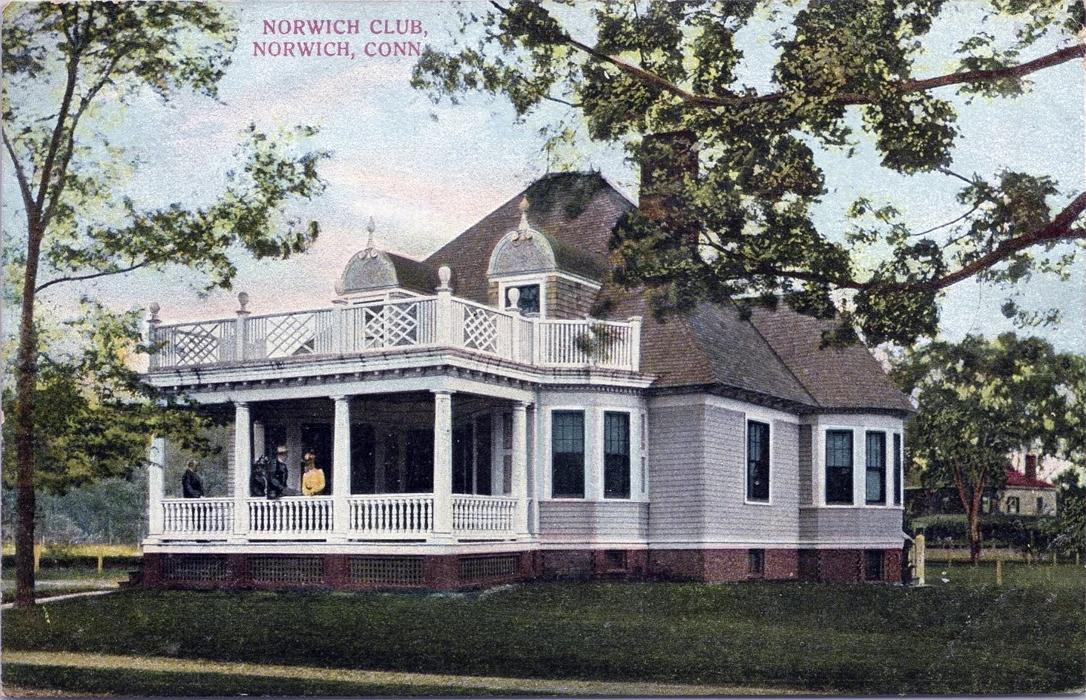
The Norwich Golf Club split from the Norwich Club and was officially organized on March 24, 1903. The first officers of the Norwich Golf Club were:
President: Brigadier General Edward Harland (A Civil War combat veteran)
Secretary: Willis Austin
Treasurer: Oliver L. Johnson Jr.
Greens Committee: Eugene Wallner, Willis Austin, and Albert H. Chase

Click here to learn more about General Edward Harland

Edward Harland, a lawyer and Civil War hero, was president of Chelsea Bank and the driving force behind building a nine-hole golf course on the property where the modern course operates today.
On June 23, 1910, the Norwich Golf Land Company was organized at a meeting held in the home of Willis Austin. The members elected a board of directors: General Edward Harland, O.L. Johnson, Willis Austin, Grosvenor Ely, and J. Ralph Howe.
In July 1910, the President of the Norwich Golf Club, Willis Austin, invited Mr. R.D. Pryde, the head professional of the Yale Golf and New Haven Country Club, to Norwich. Mr. Pryde offered suggestions on laying out the new grounds of the Norwich Golf Club. They established the first concept for the future 9-hole course.

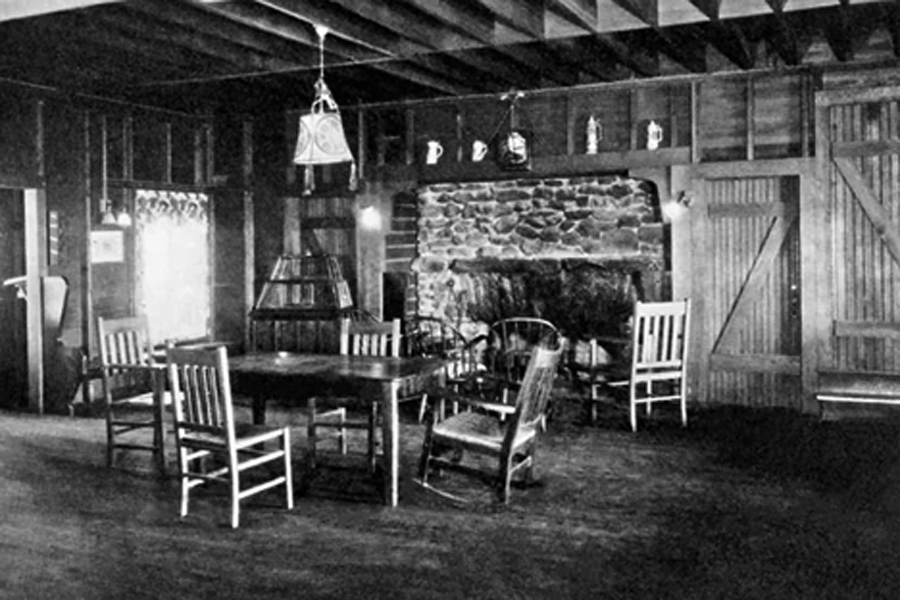
The clubhouse, located where today’s Norwich Inn & Spa stands, officially opened on June 10, 1911. The company that owned it later acquired the course and then sold both the Inn and the land to the Dawson family.
In the 1920s, Harland looked to expand the course and arranged with the firm Tull and Tull and golf course architect Walter Tillinghast to build a 9-hole course.
In the late 1970s, the federal government made funds available to acquire land for open space or recreation. Charlie Witty pitched the idea to state politicians to help the city buy the golf course, and the Norwich City Council approved the $1.2 million purchase, with 50% funded by the federal government and 25% by the state government. The city covered the final 25%.
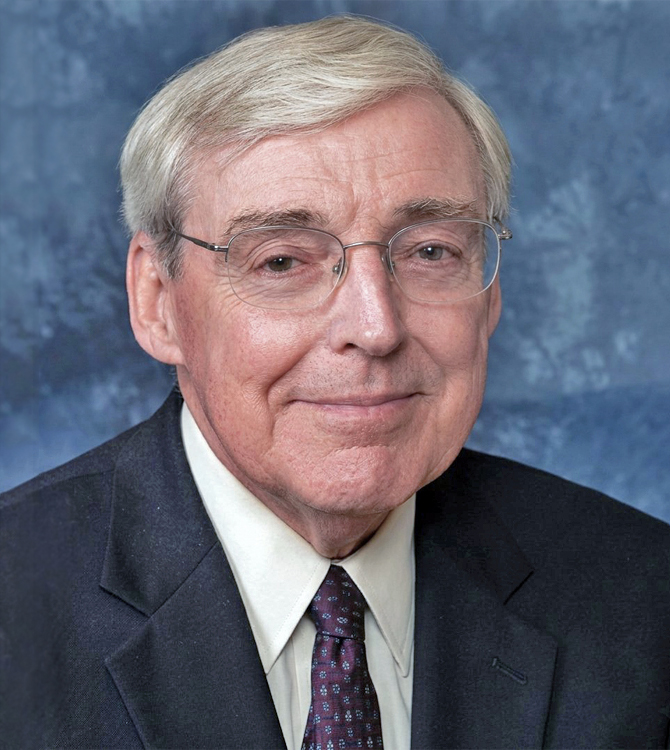
Charles Whitty served as Norwich’s City Manager from 1973 to 1986. His defining initiative during his tenure was leading the city’s 1978 effort to acquire the Norwich Golf Course. When the historic 18-hole property was put up for sale alongside the Norwich Inn as two separate parcels, Whitty negotiated the purchase for the municipality. Colleagues and contemporary observers credited Whitty as being “solely responsible” for securing the course for the city, rescuing the land from private development and converting it into a public asset for the local community.
Immediately after the purchase, Whitty spearheaded the establishment and organizational structure of the Norwich Golf Course Authority between 1978 and 1980. As the City of Norwich finalized the official transfer of ownership in 1979, Whitty set up an operational framework that required the golf course to function as a self-sustaining entity. Under his direction, the Authority was designed to operate entirely without taxpayer dollars, relying strictly on its own operational revenue to keep play affordable for area residents.
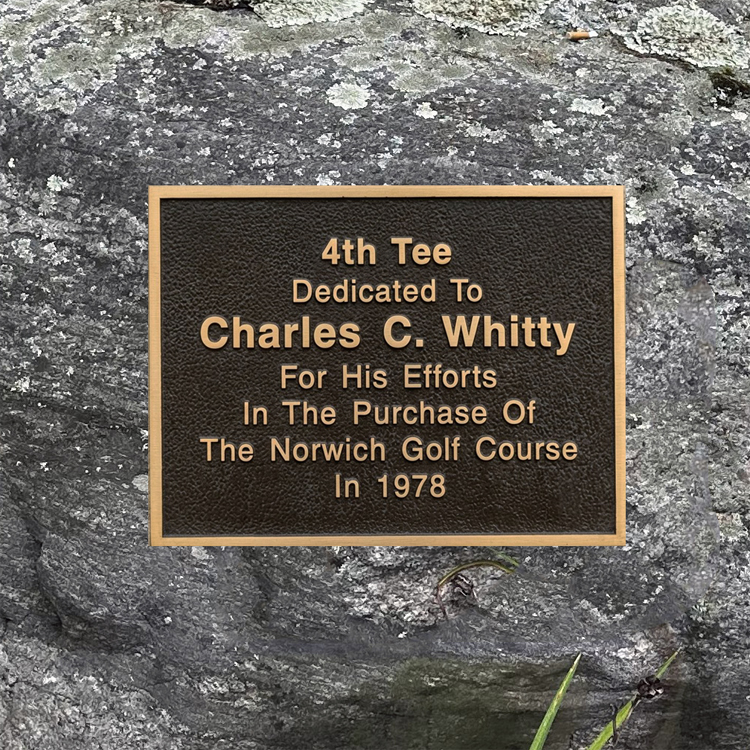
Whitty’s dedication to the golf course continued long after the initial municipal transition. He served on the Norwich Golf Course Authority for 47 years, continually guiding its governance and financial stability. Even after leaving his role as City Manager in 1986 to enter private law practice and later serve as Executive Director of the Norwich Housing Authority, Whitty remained on the Golf Course Authority until his passing in 2026, providing steady oversight for nearly five decades.

Since 1978, John J. Caulfield has been a central figure in the survival and success of the Norwich Golf Course, primarily as the first Chairman of the Norwich Golf Course Authority (NGCA). His contributions during the transition from a private to a municipal facility were significant enough that he was named “Sportsperson of the Year” by the Norwich Sports Hall of Fame in 1979.
In 1978, Mr. Caulfield provided the “personal leadership” necessary to launch the municipal operation after the city’s $1.2 million purchase of the 153-acre. He was the driving force behind the transition of course ownership from private to public. Several of his countless contributions and achievements include:
Defined Operations: Overseeing the creation of job descriptions and the initial hiring of key staff, including the first municipal head pro, Dan Boucher, and course superintendent, Dana Wells.
Established Rules and Fees: Managed the complex task of setting a public fee structure, including successfully defending the Authority’s policies against age-discrimination claims over weekend play for senior citizens.
Provided Financial Oversight and Success: Despite public skepticism and fears that the course would be a “white elephant” or a financial drain, Caulfield oversaw a highly successful first year. Under his chairmanship, the course grossed approximately $108,850 in its first year, yielding a net profit of over $26,000. He always advocated for a “tight ship” on costs, ensuring surplus funds went to essential equipment and capital expenditures rather than day-to-day operating expenses.
CETA Program Oversight: Caulfield managed the use of up to 20 federally funded CETA workers. He used this workforce for routine maintenance and specialized projects, such as rebuilding storm-damaged bridges, resulting in substantial savings for the city.

A LIFETIME OF COMMUNITY SERVICE
Johnny Caulfield has long advocated for non-golf uses of the land. He sought to formalize winter recreation by proposing a ski trail to augment traditional sledding on “Suicide Hill,” a long-standing community favorite.
Beyond his work with the golf course, Caulfield’s long-standing dedication to Norwich athletics and public service dates back to before the 1970s. He is a U.S. Army veteran, a standout baseball pitcher who played at Fenway Park, and served Norwich for decades as an organizer for the Norwich Senior Little League and the Junior Major League.

Robert D. “Bob” Ford was a central figure in the life of the Norwich Golf Course, serving as a dedicated leader whose vision helped transform the facility into a premier community asset. A Connecticut native who moved to Norwich in 1959, Ford brought with him the financial acumen of a retired Vice-President of the Norwich Savings Society Bank, a skill set that would eventually prove invaluable to the course’s municipal operations. His personal history with the club was long-standing; he first joined the members’ club in 1967 and, after taking a hiatus to raise his four children, rejoined in 1980 with a renewed focus on the club’s success.

Ford’s involvement went far beyond regular play, as he eventually took on the role of president for both the members’ club and the Senior League. In 1995, he was appointed to the Norwich Golf Course Authority, and by 1996, he was elected its Chairman. In this leadership position, Ford acted as the vital liaison between the Authority and the Norwich City Council, navigating complex administrative issues and insurance questions while overseeing a $700,000 budget. He was a strong advocate for the facility’s self-sufficiency, ensuring that the course, which typically opens in April and runs through December, remained a high-quality destination for its roughly 450 members.
Under Ford’s guidance, the Authority prioritized a series of long-range capital projects designed to modernize the grounds and facilities. These initiatives included installing a new clubhouse roof, constructing an additional parking lot to accommodate high traffic, and developing new cart paths to improve the flow of play. His dedication to the golfing community also extended to charitable efforts; he was a fixture of the Daniel Boucher Golf Tournaments for 17 years and served as a Trustee Emeritus for the Daniel A. Boucher Memorial Scholarship.
Even after his passing in 2007, Ford’s impact remains visible throughout the course he loved. He often summarized his commitment with a simple philosophy. He said:
“We owe it to the members to give them the best facilities we can”.


Michael E. Driscoll has been a golfer since age 12. His love for golf is evident through service on the Norwich Golf Course Authority for almost 50 years.
He is a local attorney, Norwich’s former corporation counsel, and has been deeply involved in the management, financial oversight, and developmental planning of the Norwich Golf Course as a member of the Norwich Golf Course Authority (NGCA).
Mr. Driscoll has faced countless NGCA issues and asserted his positive influence on the game of golf in Norwich over many years, including:
Legal Liaison: In his capacity as an attorney and Authority member, he frequently conferred with the city’s Corporation Counsel on matters such as the legalities of the golf course lease and the potential renting of a vacant house on the property near the 12th green.
Budget Analysis: Driscoll provided an analysis of the course’s financial health during its first municipal year. He argued that the facility “did better than it might appear on paper” because the Authority had prioritized roughly $19,000 in capital expenditures (equipment) over simple daily operating costs.
- Fiscal Management: In early 1979, he reviewed account balances and questioned the amount of money being held in non-interest-bearing accounts, seeking to maximize the interest income generated by the course’s surplus funds.
- Marketing the Facility: To increase the course’s visibility, Driscoll suggested developing a promotional program with local hotels and motels.
- Chamber of Commerce Collaboration: He advocated for the Chamber of Commerce to actively advertise the golf course in its promotional materials to attract more visitors to Norwich
- Recreational Development: Driscoll was a strong proponent of using the approximately 60 acres of undeveloped land adjoining the course for non-golf recreational activities. He specifically suggested constructing fitness and hiking trails modeled after successful projects he had seen in Washington state.
- Safety Concerns: Despite his advocacy for non-golf uses, Driscoll later noted that a study in the early 1980s led the Authority to abandon these plans. He explained that the proximity of the proposed trails to active fairways made them too dangerous, as errant golf balls moved at high velocities and could be hit “erratically,” making it “foolish” to allow non-golfers in those areas.
- Legacy and Context: Driscoll has been a key figure in preserving and explaining the club’s legacy, offering detailed knowledge of its transition from a private 9-hole course in 1912 to the 18-hole municipal facility it is today. He has also provided context for the public’s initial skepticism regarding the 1978 purchase, which many feared would be a financial “white elephant.

John Marion is a longtime member and leader of the Norwich Golf Course community, whose involvement spans from local club management to serving as the president of the state’s primary golfing association, the Connecticut State Golf Association.
Marion joined the Norwich Golf Club in 1979 and quickly became active in organized golf. His leadership at the club was formalized when he was elected President of the Norwich Golf Club in 1997 and served a three-year term. Head Professional Mike Svab has identified Marion as one of two individuals (alongside Jim Homiski) who have had “as much to do with the continued success at Norwich Golf Club as anyone”. He has been involved in nearly every aspect of the club’s operations, representing the dedicated volunteer spirit that has managed the facility since long before it became city-owned.
Marion has been a primary steward of the Norwich Invitational, the club’s flagship event and one of the oldest amateur match play tournaments in Connecticut. His long-term involvement with the “Invite” has helped maintain the tournament’s status as a premier event that typically sells out within days.
Following his retirement in 2001, Marion expanded his influence to the Connecticut State Golf Association (CSGA).
- Volunteerism: He began volunteering at CSGA tournaments in 2003.
- Rules Official: In 2006, he became a certified Rules Official.
- Executive Leadership: He served as the Secretary of the CSGA Executive Committee starting in 2006 and was ultimately elected as the 58th President of the CSGA in December 2012.
Marion is a strong advocate for the unique “membership atmosphere” of the Norwich Golf Course. He has noted that this culture stems from the era before the 1978 municipal purchase, when members ran the course themselves. He remains a prominent figure in the community, driven by a “never-ending desire to make the course a better place” for future generations.
THE PROFESSIONALS
Professional general managers, instructors, superintendents, and greenskeepers have been an essential group of individuals who have been paramount to the smooth operation of the Norwich Golf Course since its inception.
| Name | Beginning Season | Ending Season |
|---|---|---|
| Jamie Campbell | 1898 | June 20, 1898 |
| None | 1899 | 1899 |
| G. Watering | 1900 | 1910 |
| Bob Andrew | 1911 | 1911 |
| James C. Pairman | 1912 | 1818 |
| Edward Gow | 1919 | 1921 |
| George Falconer | 1922 | 1925 |
| N P. Vickery | 1926 | 1926 |
| Massie Miller | 1927 | 1930 |
| Keith Thornton | 1931 | 1934 |
| Barney Gunshinan | 1935 | 1942 |
| Ewald Hess | 1943 | 1943 |
| Joseph Donato | 1944 | 1963 |
| Don Kay | 1964 | 1964 |
| Dennis Collins | 1965 | 1967 |
| Jim Davis | 1968 | 1970 |
| Carroll Erickson | 1971 | 1971 |
| Chet Wojack | 1972 | 1973 |
| Luke A. Welch Jr. | 1974 | 1977 |
| Daniel A. Boucher | 1978 | 1989 |
| John Paesani | 1990 | 2011 |
| Michael Svab | 2012 | present |
The first golf course in Norwich was laid out in 1887 by Ernest Potter. Eight years later, on May 23, 1895, the “Norwich Club” was incorporated. The Norwich Club was primarily a social club; however, one of its branches was the “Norwich Golf Club.” On March 24, 1903, the Norwich Golf Club officially split from the Norwich Club.
Early Instructors & Professionals (1890s–1920s)
Jamie Campbell (1898): A native of Edinburgh, Scotland, Campbell was engaged in 1898 as an early professional instructor to give lessons to club members on the original links.
Bob Andrew (1911): A standout Scottish golfer who was hired as instructor for the opening of the new Trading Cove grounds and clubhouse.
James C. Pairman (1912–1913): A professional from Montrose, Scotland, who tutored members at Norwich during the spring and summer seasons.
George Falconer (1922–1925): Served as golf professional for two years during the 18-hole expansion planning and established an indoor winter golf school in Norwich.
Mid-20th Century Head Professionals (1940s–1970s)
Joe Donato (1944–1963): Served as head pro and groundskeeper for 20 years, earning multiple “Golf Pro of the Year” honors from the Connecticut Section PGA before retiring in December 1963.
Don Kay (1964–1964): Appointed in early 1964 as head pro following Joe Donato’s retirement.
Dennis Collins (1965–1967): Head professional through the 1967 season before departing to take over at Pautipaug Country Club.
Jim Davis (1968–1970): Named head pro in 1968 following Collins’ departure, serving through the 1970 season.
Carroll Erickson (1971–1971): Served as head pro until accepting a position at Blackledge Country Club in 1972.
Chet Wojack (1972–1973): Veteran professional who assumed the head pro role in 1972.
Municipal Era Head Professionals (1978–Present)
Daniel Boucher (1978–1989): Appointed in March 1978 as the first head golf professional for the municipal facility following the City of Norwich’s purchase of the course.
John Paesani (1990–2011): Former 1980 Norwich Invitational champion who went on to serve as the club’s head professional for over two decades.
Mike Svab (2012–Present): Class “A” PGA Professional hired in 2012 as Head Professional and General Manager.
George Falconer
Head Golf Professional and Golf Instructor (1922-1926)
George Falconer served as the golf professional for the Norwich Golf Club during the pivotal transition from a nine-hole to an 18-hole course in the mid-1920s. His contributions spanned instructional innovation, operational support, and record-setting athletic performance.
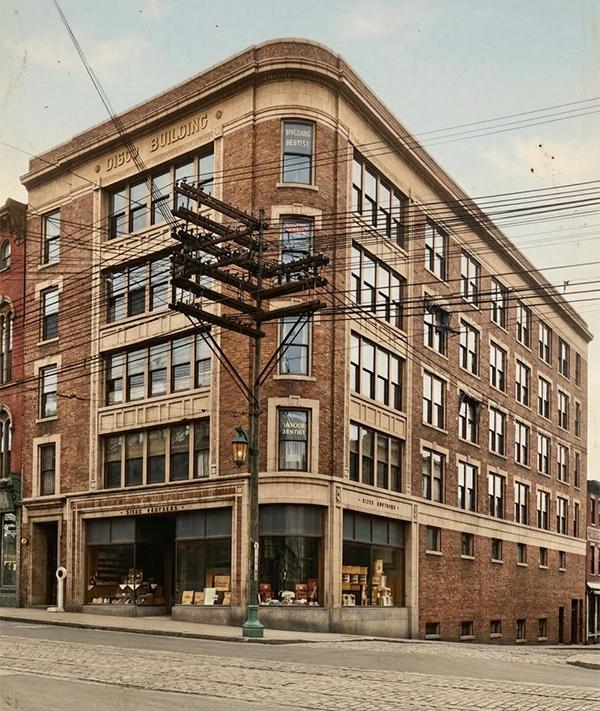
In January 1924, Falconer introduced an innovation for Norwich by opening an indoor golf school on the first floor of the Disco Building.
- Facility Details: The school consisted of two rooms: one fitted with a putting green designed to mimic “real velvet green” and another with a large net for driving and iron shots. Players hit off fiber mats that simulated real turf.
- Community Impact: The school was described as a first for the eastern part of the state, allowing members to keep in trim and beginners to learn the game during winter months when outdoor play was impossible. By March 1924, reports indicated that at least 42 golfers were benefiting from these indoor lessons.
The Disco building was built by brothers Samuel and Morris Disco on the corner of Main and Ferry Streets in Norwich. It housed Falconer’s golf school, and later became home to First National Store, then Norwich Savings & Loan, now Eastern Connecticut Savings & Loan.
NGC Professional 1944-1963
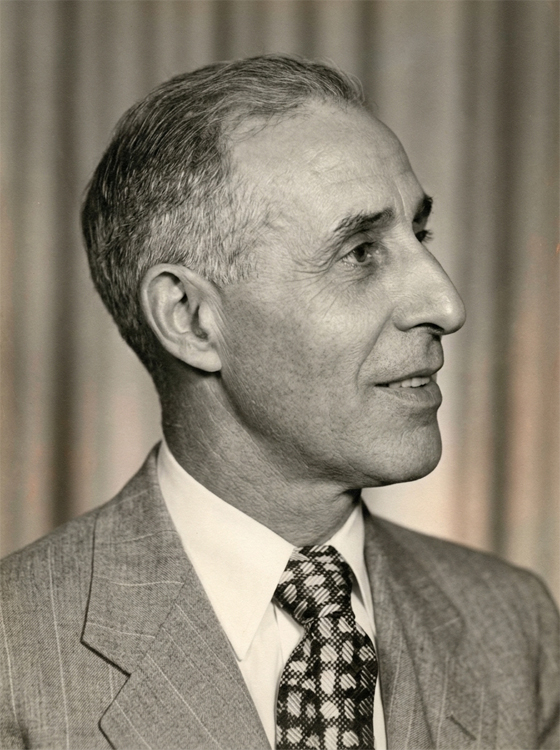
Joe Donato
Head Golf Professional and Greenskeeper (1944-1963)
Joe Donato was born in New York on July 12, 1894. Before coming to Eastern Connecticut, he lived in White Plains, New York, where he began his golf career. In 1944, Donato moved to Norwich as head golf professional and greenskeeper at the Norwich Golf Club and took up residence on Lucas Park Road. This move began a remarkable two-decade tenure that profoundly shaped the facility’s operations and reputation.
During his twenty years at the helm of the Norwich Golf Club, Donato served under course owner John S. Dawson of the Thames Hotel Corporation, which operated the adjacent Norwich Inn. As both club professional and greenskeeper, Donato had full operational responsibility for maintaining the 18-hole course grounds while also directing the pro shop and member services. To ensure high standards of player service and instruction, he hired and mentored assistant professionals over the years, including longtime assistant pro Johnny DelFino.
Donato demonstrated a deep commitment to elevating local play and promoting competitive golf throughout the region. He organized and managed premier local events at the club, including the annual Norwich Invitation Tournament for the Noyes Memorial Trophy. Beyond his administrative duties, Donato represented Norwich as a competitor in state professional tournaments and regional pro-am matches, regularly posting top finishes alongside Connecticut’s leading shotmakers.
Beyond his service to the local course, Donato remained steadfastly committed to the Connecticut Section of the Professional Golfers’ Association (CT PGA). Shortly after arriving in the state, he was elected to the Connecticut PGA Board of Directors in 1945. His leadership and administrative skill quickly led to higher sectional offices; he was later elected treasurer and then secretary-treasurer of the Connecticut PGA.
Donato eventually rose to the section’s highest office, serving six terms as president of the Connecticut Section PGA. His dedication to his fellow pros earned him widespread acclaim, including being named “Golf Pro of the Year” and “Golfer of the Year” multiple times by the CT PGA, highlighted by a special award plaque presented at the 1959 Norwich golf show. After completing his presidential terms, his peers honored him at a testimonial dinner at the Mill River Country Club.
Donato’s administrative expertise extended far beyond state borders, earning him national recognition within the PGA of America. In November 1947, at the national PGA annual meeting in Chicago, he was elected as a National PGA Vice President representing District 1, which encompassed New England. In this role, he represented regional professionals in national policy discussions, business sessions, and executive governance.
Donato’s national influence peaked when he served as Executive Vice President of the National PGA from 1948 through 1950. In this senior executive role, he helped guide the national association’s operations, finances, and promotion during a crucial post-war growth era for American golf. His governance strengthened ties between regional sections and the national headquarters.
Further reflecting his dedication to professional golf governance, Donato led national senior activities. He served as president of the National PGA Senior Association, advocating for veteran professionals nationwide. He was also appointed chairman of the National PGA Club in Dunedin, Florida, where he managed national facility interests and regularly competed in the annual Senior PGA Championship.
In late 1963, at 69, Donato submitted his resignation letter to course owner John S. Dawson, ending two decades of continuous service at the Norwich Golf Club. After accepting the resignation, Dawson paid tribute to Donato, calling him “the outstanding pro in New England.” Over two hundred club members, civic leaders, and golfing figures gathered at Longo’s Inn in Norwich for a testimonial dinner to celebrate his career, where speaker Nelson W. Nitchman praised him as an “outstanding professional and golfer as well as a gentleman,” before Donald E. Kay succeeded him as head pro in early 1964.
After retiring from the Norwich Golf Club, Donato moved to North Miami, Florida.
Click here to read a collection of 29 newspaper articles spanning the period 1944-1968. The articles include a wealth of information about Joe Donato’s golf career as a player, an administrator, and head professional at the Norwich Golf Course.
Superintendent 1967-1977
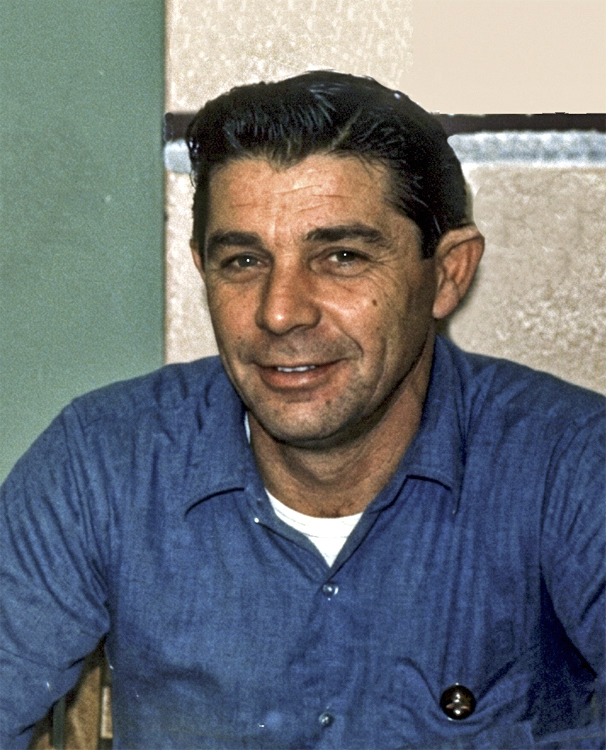
Adam Wydra Jr.
Superintendent (1967-1977)
Adam Wydra Jr. served as superintendent of the Norwich Golf Course for eleven years, making him the facility’s final superintendent under private ownership. During his tenure, Wydra and his family lived in a home the course owners provided on the golf course. With only his two paid adult grass-cutters alongside his family, he accomplished the monumental task of maintaining the entire 18-hole course. His oldest son, Adam Wydra III, recalled doing a range of daily maintenance duties as a young teenager—including mowing fairways and greens, raking traps and bunkers, aerating, topdressing, cutting cups, and moving tee markers.
Mr. Wydra also has fond memories of him and his sisters running a concession stand near today’s ninth tee box. The “stand” was a golf cart stocked with ham-and-cheese sandwiches, soda, and candy. Golfing was very popular in the early seventies, and so was their concession stand!
During this era, maintenance was exceptionally labor-intensive because of limited modern infrastructure and severe financial constraints. Because the course lacked an automatic watering system, staff and family members watered the tee boxes and greens by hand. The Wydra family members even used pocket knives to cut weeds from the greens.
With help from his son (and sometimes his wife), Mr. Wydra personally sprayed chemicals and weeded manually. The chemicals were delivered to the sprayer via a 150′ rubber hose that was connected to the chemical tank atop an old Jeep.
With private course ownership under constant financial strain and limited funds for basic equipment, Wydra had to buy tractors and greens mowers out of pocket and rent them back to the course owner to keep operations running.
The golf course underwent significant administrative changes during his tenure as Superintendent. Five separate head professional golfers were employed and subsequently left the course during Mr. Wydra’s 11-year period of steady, dependable service. The pros ran the pro shop, located in today’s Norwich Inn, sold memberships/tee times, and taught. They had no say whatsoever in course maintenance; Adam Wydra Jr. was fully responsible for keeping the course in great shape.
Wydra’s tenure ended when the City of Norwich acquired the course, after contract disagreements with the newly formed Norwich Golf Course Authority.
The Wydra home, 671 New London Turnpike, sat between today’s 10th green and today’s clubhouse. After the family moved, the Norwich Fire Department used their former home for a controlled-burn exercise.
The city’s 1978 purchase marked a major turning point, transforming groundskeeping from a private, family-run operation into a modernized municipal facility backed by direct city funding for proper machinery and equipment. To lead these upgraded grounds operations, the Authority hired 23-year-old Dana Wells as Superintendent for the 1978 and 1979 seasons.
Daniel A. Boucher
Head Golf Professional (1978-1989)

Dan Boucher (right)
Daniel A. Boucher became the first Norwich Golf Club Head Professional appointed by the Norwich Golf Course Authority in March of 1978. Mr. Boucher previously served as an Assistant Pro at the Willimantic Country Club and furthered his education at the PGA Business School. He served in the position until his death in 1989.
His hard work and strong rapport with members earned him praise from Authority Chairman John Caulfield and other board members.
The Daniel A. Boucher Memorial Junior Classic tournament was a part of the Connecticut PGA’s Junior Golf Tour and was played at the Norwich Golf Course for many years.

John Paesani
Head Golf Professional and Golf Shop Manager (1990-2011)


John Paesani served at the Norwich Golf Club from 1990 to 2011. In 2018, he was inducted into the Connecticut State Golf Association’s 2018 Connecticut Golf Hall of Fame. As a professional golfer, he played in the 1991 U.S. Open and the 1988 and 1997 PGA Championships. In 2010 and 2011, he played in the U.S. Senior Open and nine PGA Tour non-majors.
Paesani was born in San Jose, California and moved to Connecticut in third grade when his dad took a job as a professor at UConn. Paesani started playing golf every day in the summer. He graduated from E.O. Smith High School in Storrs, where the golf team went 25-1 and won the Eastern Connecticut Conference title in his senior year.
Mr. Paesani continued to play professional golf during his tenure as the head professional at the Norwich Golf Course. In 2007, he played in the Mohegan Sun Pro-Am Series at the Fox Hopyard Country Club, finishing fourth.
During most of Mr. Paesani’s tenure as head professional and Pro Shop manager, Bruce Morse served as Course Superintendent.
Mike Svab
Head Golf Professional and General Manager (2012-Present)


- A graduate from the PGA Golf Professional Training Program and received the Titleist/FootJoy scholarship in each of the three levels for achieving the highest scores of his graduating class.
- Served a four-year term on the Connecticut Section of the PGA Board of Directors from 2001 to 2004.
- Recipient of the CT Section PGA Horton Smith Award for dedication, leadership, and outstanding contributions to the PGA educational programs.
- Honored as the 2004 Private Facility Merchandiser of the Year and the 2022 Public Merchandiser of the Year in Connecticut.
- Mike was a Professional Baseball Player in Perth, Australia, and was elected to the Fairfield University Athletic Hall of Fame for his baseball accomplishments in 1997.
And … YES, Mike did hit a home run in Boston’s Fenway Park during his distinguished baseball career!

Eric Kundahl is the Norwich Golf Course Superintendent and has served in that position since March 2019. He served as Assistant Golf Course Superintendent from 2000 to February 2019.
